
Contents
Overview
The genesis of collaborative programming can be traced back to early computing environments where shared access to scarce resources necessitated teamwork. However, the modern concept truly began to crystallize with the advent of pair programming in the late 1990s, notably championed by Extreme Programming proponents like Kent Beck and Martin Fowler. These methodologies emphasized two developers working at a single workstation, one coding (the driver) and the other reviewing (the navigator). This foundational practice laid the groundwork for more distributed and real-time forms of collaboration. The rise of the internet and collaborative tools like Git and GitHub further accelerated this evolution, enabling asynchronous contributions to projects. More recently, live coding events and interactive workshops have emerged as direct descendants, providing structured environments for synchronous, real-time collaboration on specific projects or learning objectives.
⚙️ How It Works
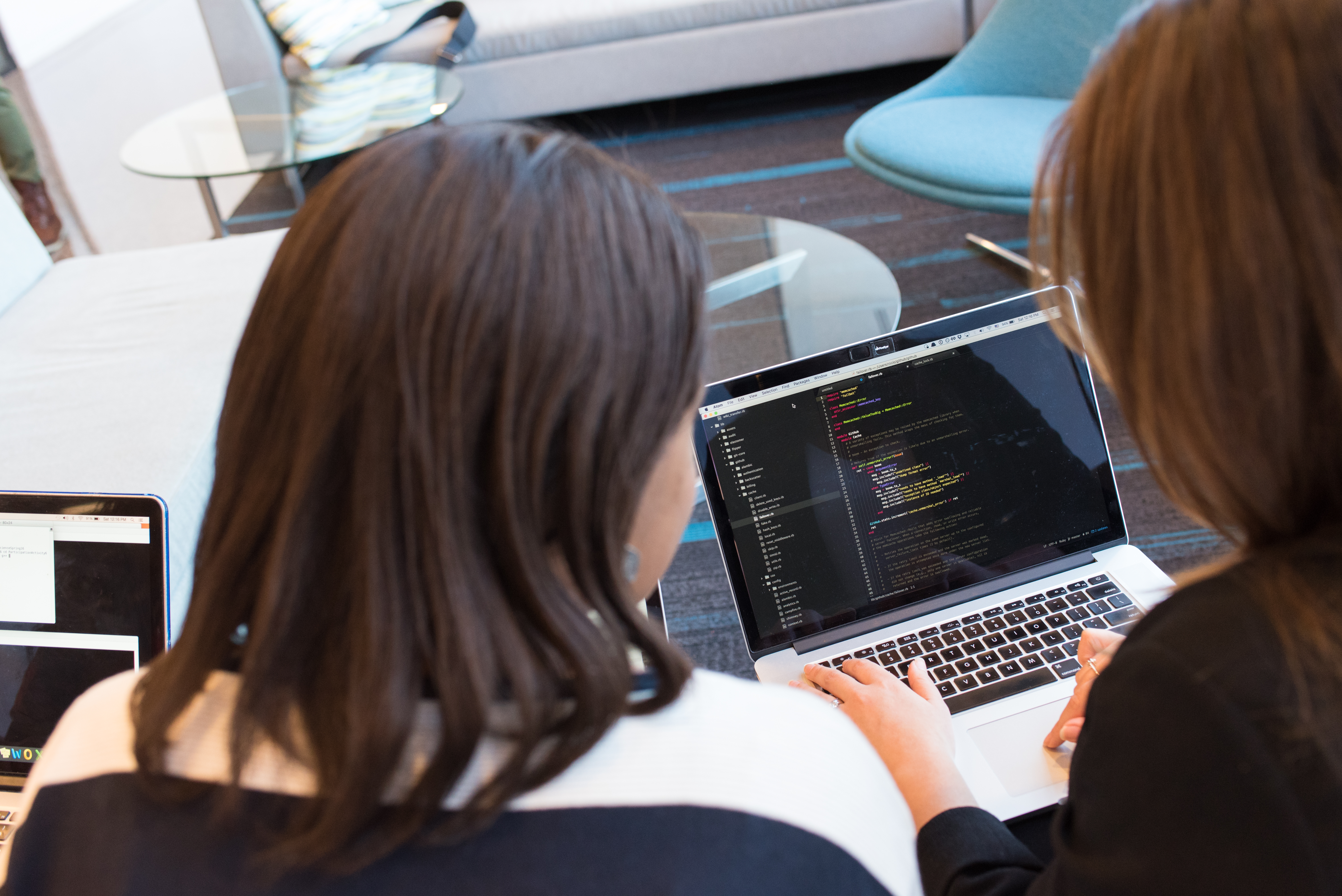
Collaborative programming typically involves developers working together on a shared codebase, often using specialized tools that enable real-time interaction. In pair programming, two developers share one computer, with one writing code (the driver) and the other providing guidance and review (the navigator), switching roles frequently. More advanced forms include mob programming, where an entire team works on the same task at one workstation, rotating roles. Live coding events and workshops, facilitated by platforms that offer shared editors and screen-sharing capabilities, allow multiple participants to contribute to a project simultaneously under the guidance of an instructor or facilitator. Tools like Visual Studio Code's Live Share, Replit, and GitHub Codespaces are instrumental in enabling these synchronized coding sessions, allowing for instant feedback and collective problem-solving.
📊 Key Facts & Numbers
The adoption of collaborative programming practices has shown significant impact. Studies on pair programming have indicated potential productivity gains of up to 15% in certain contexts, alongside a reduction in defects by as much as 15%. Mob programming sessions can involve teams of 5-10 developers working concurrently. Live coding events can attract hundreds or even thousands of participants, as seen in major online coding challenges and workshops hosted by developer communities. For instance, a single workshop might involve 50-100 active coders contributing to a project, with thousands more observing. The open-source software movement, a prime example of large-scale collaboration, boasts millions of contributors across hundreds of thousands of projects on platforms like GitHub.
👥 Key People & Organizations
Pioneers in Extreme Programming like Kent Beck and Martin Fowler were instrumental in formalizing early collaborative coding practices such as pair programming. Alistair Cockburn, another influential figure in agile methodologies, has also written extensively on team dynamics and collaboration. Organizations like the Agile Alliance have promoted these practices within the broader software development community. More recently, platforms that host live coding events and workshops have brought collaborative programming to a wider audience, with facilitators and community leaders playing key roles in guiding participants through complex coding challenges and projects. Key figures in the live coding event space often emerge from active participation in developer communities and open-source contributions.
🌍 Cultural Impact & Influence
Collaborative programming has profoundly reshaped software development culture, moving away from the solitary programmer stereotype towards a more social and interactive model. It has fostered a culture of continuous learning and mentorship, where experienced developers can guide novices through live sessions and coding workshops. The widespread adoption of Git and GitHub has normalized asynchronous collaboration on a global scale, enabling projects like the Linux kernel to thrive with contributions from thousands of developers worldwide. This shift has also influenced educational approaches, with universities and bootcamps increasingly incorporating pair and group programming exercises into their curricula to better prepare students for real-world development environments. The emphasis on shared ownership and collective problem-solving has boosted team cohesion and reduced knowledge silos within organizations.
⚡ Current State & Latest Developments
The current landscape of collaborative programming is dynamic, driven by advancements in real-time collaboration tools and the proliferation of online learning platforms. Tools like VS Code Live Share and GitHub Codespaces are continuously being updated with new features for enhanced synchronization and communication. The demand for live coding events and interactive workshops has surged, with platforms offering specialized experiences for various skill levels and technologies, from web development to machine learning. The rise of remote work has further solidified the importance of effective remote collaboration strategies, making tools and techniques for synchronous and asynchronous coding more critical than ever for distributed teams. Community-led initiatives and coding bootcamps are increasingly leveraging these tools to deliver engaging educational content.
🤔 Controversies & Debates
One persistent debate revolves around the true efficiency of pair programming and mob programming. While proponents cite increased code quality and knowledge transfer, critics argue that it can lead to slower development cycles and potential personality clashes. The effectiveness often hinges on the skill of the facilitator and the chemistry between participants. Another controversy concerns the accessibility and inclusivity of live coding events; ensuring that participants from diverse backgrounds and skill levels feel welcome and supported is an ongoing challenge. Furthermore, the reliance on specific proprietary tools for real-time collaboration can sometimes create barriers for individuals or organizations with limited resources, sparking discussions about open-source alternatives and equitable access to collaborative development environments.
🔮 Future Outlook & Predictions
The future of collaborative programming points towards even more immersive and intelligent tools. We can anticipate AI-powered assistants that not only suggest code but also actively participate in collaborative sessions, offering real-time feedback and identifying potential conflicts. Virtual and augmented reality environments may offer new paradigms for remote collaboration, allowing developers to interact with code and each other in more spatial ways. The integration of live coding into educational platforms will likely deepen, making it a standard pedagogical tool for teaching programming concepts. As remote and hybrid work models become more entrenched, the demand for sophisticated, seamless collaborative coding solutions will continue to grow, pushing the boundaries of what's possible when developers code together.
💡 Practical Applications
Collaborative programming finds practical application across numerous domains. In software development companies, pair programming and mob programming are used to improve code quality, onboard new developers, and tackle complex features. Educational institutions and coding bootcamps utilize live coding sessions and workshops to teach programming languages and software engineering principles. The open-source software movement thrives on collaborative programming, enabling global communities to build and maintain vast software projects. Hackathons and coding challenges often feature collaborative elements, pushing participants to rapidly prototype solutions together. Even in academic research, collaborative coding environments are used for data
Key Facts
- Category
- events
- Type
- topic