
Contents
- 📊 Introduction to Inflation
- 💸 Causes of Inflation
- 📈 Effects of Inflation on Economy
- 👥 Impact on Individuals and Businesses
- 📊 Measuring Inflation
- 💰 Inflation and Monetary Policy
- 🚨 Hyperinflation: A Rare but Devastating Phenomenon
- 🌎 Global Inflation Trends
- 📊 Inflation Forecasting and Management
- 💸 Strategies for Mitigating Inflation's Impact
- 🤝 International Cooperation to Combat Inflation
- Frequently Asked Questions
- Related Topics
Overview
Inflation is a multifaceted economic phenomenon characterized by a sustained increase in the general price level of goods and services in an economy over time, resulting in a decrease in the purchasing power of money. The causes of inflation are varied and complex, including demand-pull factors, cost-push factors, and monetary policy decisions. According to the International Monetary Fund (IMF), the global inflation rate averaged around 3.8% in 2020, with some countries experiencing significantly higher rates, such as Venezuela with an inflation rate of 6,500% in 2018. The effects of inflation can be far-reaching, impacting not only consumers but also businesses, investors, and the overall economy. As noted by economist Milton Friedman, 'inflation is always and everywhere a monetary phenomenon,' highlighting the critical role of monetary policy in controlling inflation. With the global economy still recovering from the COVID-19 pandemic, understanding inflation and its implications is more crucial than ever, with the World Bank warning that rising inflation could threaten economic growth and stability in the coming years.
📊 Introduction to Inflation
Inflation is a complex and multifaceted economic phenomenon that has been studied by economists such as Milton Friedman and John Maynard Keynes. It is defined as a sustained increase in the general price level of goods and services in an economy over a period of time. Inflation can be caused by various factors, including an increase in the money supply, economic growth, and supply chain disruptions. The effects of inflation can be far-reaching, impacting not only individuals but also businesses and the overall economy. For instance, inflation can reduce the purchasing power of consumers, as noted by Adam Smith in his work on the Wealth of Nations.
💸 Causes of Inflation
The causes of inflation are varied and can be broadly categorized into demand-pull and cost-push factors. Demand-pull inflation occurs when aggregate demand exceeds the available supply of goods and services, driving up prices. This can be caused by an increase in consumer spending, government expenditure, or investment. On the other hand, cost-push inflation is driven by an increase in production costs, such as higher wages or raw materials. Economists like Alan Greenspan have emphasized the importance of understanding these factors in order to develop effective monetary policies. The role of Federal Reserve in managing inflation is also crucial, as it uses tools such as interest rates to control inflation.
📈 Effects of Inflation on Economy
The effects of inflation on the economy can be significant, impacting both individuals and businesses. Inflation can erode the purchasing power of consumers, reduce the value of savings, and increase the cost of living. Businesses may also face challenges, such as higher production costs, reduced profit margins, and increased uncertainty. However, some economists argue that a moderate level of inflation can be beneficial, as it can stimulate economic growth and reduce unemployment. The concept of Phillips Curve is relevant here, which suggests a trade-off between inflation and unemployment. The impact of inflation on stock market and bond market is also significant, as it can affect the value of investments.
👥 Impact on Individuals and Businesses
The impact of inflation on individuals and businesses can vary depending on their circumstances. For individuals, inflation can reduce the purchasing power of their income, making it more difficult to afford essential goods and services. Businesses may face higher production costs, which can reduce their profit margins and competitiveness. However, some businesses may benefit from inflation, such as those that produce goods and services with high demand. The role of inflation indexing in protecting against inflation is also important, as it allows for automatic adjustments to salaries and benefits. The concept of cost-of-living adjustment is relevant here, which helps to maintain the purchasing power of individuals.
📊 Measuring Inflation
Measuring inflation is crucial for understanding its impact on the economy and developing effective policies. The most common measure of inflation is the Consumer Price Index (CPI), which tracks the price of a basket of goods and services. Other measures, such as the Gross Domestic Product (GDP) deflator and the Personal Consumption Expenditures (PCE) index, can also provide insights into inflation. Economists like Ben Bernanke have emphasized the importance of accurate inflation measurement in order to develop effective monetary policies. The use of inflation targeting by central banks is also relevant, as it helps to maintain low and stable inflation.
💰 Inflation and Monetary Policy
Inflation and monetary policy are closely linked, as central banks use monetary tools to control inflation. The primary objective of monetary policy is to maintain price stability, which is often defined as a low and stable inflation rate. Central banks can use various tools, such as interest rates, reserve requirements, and open market operations, to control inflation. The role of European Central Bank in managing inflation is also important, as it uses a combination of monetary policy tools to maintain price stability. The concept of monetary policy framework is relevant here, which provides a structure for making monetary policy decisions.
🚨 Hyperinflation: A Rare but Devastating Phenomenon
Hyperinflation is a rare but devastating phenomenon that can have catastrophic consequences for an economy. It is characterized by an extremely high and accelerating inflation rate, often exceeding 100% per year. Hyperinflation can be caused by a combination of factors, including a large increase in the money supply, a decline in economic output, and a loss of confidence in the currency. The example of Zimbabwe is often cited, where hyperinflation reached an estimated 89.7 sextillion percent in mid-November 2008. The role of fiscal policy in preventing hyperinflation is also important, as it helps to maintain a stable and sustainable fiscal position.
🌎 Global Inflation Trends
Global inflation trends can vary significantly, reflecting differences in economic conditions, monetary policies, and structural factors. Some countries, such as those with emerging economies, may experience higher inflation rates due to rapid economic growth and limited monetary policy tools. In contrast, developed economies may experience lower inflation rates due to more advanced monetary policy frameworks and lower economic growth. The role of International Monetary Fund in promoting global economic stability is also relevant, as it provides guidance and support to countries in managing inflation. The concept of global economic governance is relevant here, which helps to coordinate economic policies across countries.
📊 Inflation Forecasting and Management
Inflation forecasting and management are critical for developing effective monetary policies and maintaining price stability. Central banks use various models and techniques, such as econometric models and nowcasting, to forecast inflation. They also use a range of indicators, such as inflation expectations and commodity prices, to monitor inflationary pressures. The role of big data in improving inflation forecasting is also important, as it provides a large amount of information that can be used to develop more accurate forecasts. The concept of machine learning is relevant here, which helps to analyze large datasets and develop predictive models.
💸 Strategies for Mitigating Inflation's Impact
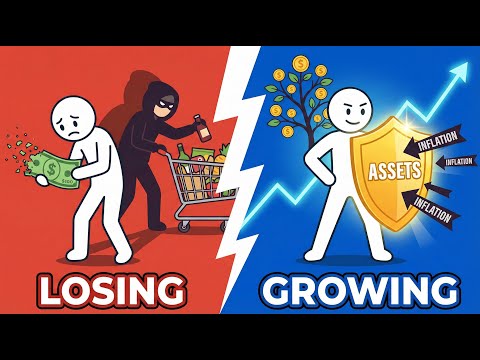
Strategies for mitigating the impact of inflation can vary depending on the circumstances. Individuals can protect their purchasing power by investing in assets that historically perform well during periods of inflation, such as stocks or real estate. Businesses can also take steps to mitigate the impact of inflation, such as by indexing their prices to inflation or by investing in productivity-enhancing technologies. The role of inflation-protected securities is also important, as they provide a hedge against inflation. The concept of hedge fund is relevant here, which helps to manage investment risk and return.
🤝 International Cooperation to Combat Inflation
International cooperation is essential for combating inflation, as it can help to promote global economic stability and reduce the risk of inflationary shocks. Central banks and governments can work together to develop coordinated monetary and fiscal policies, share best practices, and provide mutual support during times of economic stress. The role of G20 in promoting global economic cooperation is also relevant, as it provides a forum for discussing global economic issues. The concept of Bretton Woods system is relevant here, which helps to promote international monetary cooperation and exchange rate stability.
Key Facts
- Year
- 2020
- Origin
- First described by economist Irving Fisher in 1911
- Category
- Economics
- Type
- Economic Concept
- Format
- what-is
Frequently Asked Questions
What is inflation?
Inflation is a sustained increase in the general price level of goods and services in an economy over a period of time. It can be caused by various factors, including an increase in the money supply, economic growth, and supply chain disruptions. The effects of inflation can be far-reaching, impacting not only individuals but also businesses and the overall economy. For instance, inflation can reduce the purchasing power of consumers, as noted by Adam Smith in his work on the Wealth of Nations.
How is inflation measured?
Inflation is typically measured using the Consumer Price Index (CPI), which tracks the price of a basket of goods and services. Other measures, such as the Gross Domestic Product (GDP) deflator and the Personal Consumption Expenditures (PCE) index, can also provide insights into inflation. Economists like Ben Bernanke have emphasized the importance of accurate inflation measurement in order to develop effective monetary policies.
What are the effects of inflation on the economy?
The effects of inflation on the economy can be significant, impacting both individuals and businesses. Inflation can erode the purchasing power of consumers, reduce the value of savings, and increase the cost of living. Businesses may also face challenges, such as higher production costs, reduced profit margins, and increased uncertainty. However, some economists argue that a moderate level of inflation can be beneficial, as it can stimulate economic growth and reduce unemployment.
How can individuals protect themselves against inflation?
Individuals can protect their purchasing power by investing in assets that historically perform well during periods of inflation, such as stocks or real estate. They can also consider investing in inflation-protected securities, such as Treasury Inflation-Protected Securities (TIPS). Additionally, individuals can take steps to reduce their expenses and increase their income, such as by developing new skills or starting a side business.
What is the role of monetary policy in controlling inflation?
Monetary policy plays a crucial role in controlling inflation, as central banks use monetary tools to control the money supply and interest rates. The primary objective of monetary policy is to maintain price stability, which is often defined as a low and stable inflation rate. Central banks can use various tools, such as interest rates, reserve requirements, and open market operations, to control inflation. The role of European Central Bank in managing inflation is also important, as it uses a combination of monetary policy tools to maintain price stability.
What is hyperinflation?
Hyperinflation is a rare but devastating phenomenon that can have catastrophic consequences for an economy. It is characterized by an extremely high and accelerating inflation rate, often exceeding 100% per year. Hyperinflation can be caused by a combination of factors, including a large increase in the money supply, a decline in economic output, and a loss of confidence in the currency. The example of Zimbabwe is often cited, where hyperinflation reached an estimated 89.7 sextillion percent in mid-November 2008.
How can businesses mitigate the impact of inflation?
Businesses can mitigate the impact of inflation by indexing their prices to inflation, investing in productivity-enhancing technologies, and developing strategies to reduce their costs. They can also consider investing in assets that historically perform well during periods of inflation, such as commodities or real estate. Additionally, businesses can take steps to reduce their expenses and increase their revenue, such as by developing new products or services or expanding into new markets.