
Contents
- 🚁 Introduction to Drone Technology
- 📈 History of Drones: From Military to Civilian Use
- 🤖 Types of Drones: Quadcopters, Hexacopters, and More
- 📊 Drone Applications: From Aerial Photography to Package Delivery
- 🚨 Drone Regulations: Navigating the Complex World of Aviation Laws
- 💻 Drone Software and Hardware: The Brain and Body of Modern Drones
- 📢 Drone Safety and Security: Mitigating Risks and Threats
- 🌐 Global Drone Market: Trends, Opportunities, and Challenges
- 🚀 Future of Drones: Emerging Technologies and Innovations
- 🤝 Drone Ethics and Social Impact: Balancing Benefits and Concerns
- 📊 Drone Industry Outlook: Investment, Jobs, and Growth
- 📚 Conclusion: The Endless Possibilities of Drone Technology
- Frequently Asked Questions
- Related Topics
Overview
Drone technology, with its roots in military applications dating back to the 1930s, has evolved significantly over the years. Today, drones are used in various sectors including film production, agriculture, construction, and package delivery. Companies like DJI and Amazon are at the forefront of this technology, pushing the limits of what drones can achieve. However, concerns over privacy, safety, and regulation continue to surface, with the FAA in the United States and similar bodies worldwide working to establish clear guidelines. The global drone market, valued at over $13 billion in 2020, is expected to grow exponentially, with a projected value of over $43 billion by 2024. As drone technology advances, we can expect to see even more innovative applications, from search and rescue missions to environmental monitoring, changing the way we live and work.
🚁 Introduction to Drone Technology
The world of drone technology has experienced rapid growth and transformation in recent years, with Drones being used in various industries such as Aerial Photography, Package Delivery, and Disaster Response. According to a report by Market Research, the global drone market is expected to reach $43.1 billion by 2024. The increasing demand for drones has led to the development of new technologies, such as Autonomous Drones and Drone Swarm Technology. As the industry continues to evolve, it's essential to understand the history and development of drones, from their military origins to their current civilian applications.
📈 History of Drones: From Military to Civilian Use
The history of drones dates back to the early 20th century, when Unmanned Aerial Vehicles (UAVs) were first used for military purposes. Over the years, drones have undergone significant transformations, with advancements in Materials Science and Computer Vision. The development of GPS Technology and Sensor Fusion has enabled drones to navigate and operate with greater precision. Today, drones are used in various civilian applications, including Agriculture, Construction, and Environmental Monitoring. As the use of drones becomes more widespread, it's essential to understand the different types of drones and their applications.
🤖 Types of Drones: Quadcopters, Hexacopters, and More
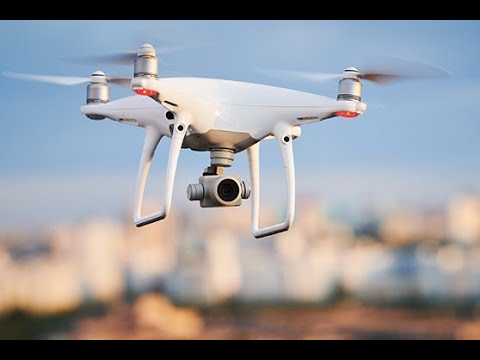
There are several types of drones, each with its unique characteristics and applications. Quadcopters are one of the most common types of drones, known for their stability and maneuverability. Hexacopters and Octocopters are also popular, offering greater payload capacity and range. Fixed-Wing Drones are designed for long-range missions, while Hybrid Drones combine the benefits of quadcopters and fixed-wing drones. Understanding the different types of drones is crucial for selecting the right drone for a specific application, whether it's Aerial Mapping or Search and Rescue.
📊 Drone Applications: From Aerial Photography to Package Delivery
Drones have a wide range of applications, from Aerial Photography and Package Delivery to Disaster Response and Environmental Monitoring. In the field of Agriculture, drones are used for Crop Monitoring and Precision Agriculture. In Construction, drones are used for Site Inspection and Progress Monitoring. The use of drones in Disaster Response has also become increasingly common, with drones being used for Damage Assessment and Search and Rescue. As the applications of drones continue to expand, it's essential to understand the regulatory framework surrounding drone use.
💻 Drone Software and Hardware: The Brain and Body of Modern Drones
The development of drone software and hardware has been rapid, with advancements in Computer Vision and Machine Learning. Modern drones are equipped with sophisticated Sensor Systems, including GPS, Accelerometers, and Gyroscopes. The use of Autonomous Drones has also become increasingly common, with drones being able to navigate and operate without human intervention. The development of Drone Swarm Technology has also opened up new possibilities for drone applications, including Search and Rescue and Environmental Monitoring. As the technology continues to evolve, it's essential to understand the potential risks and threats associated with drone use.
📢 Drone Safety and Security: Mitigating Risks and Threats
The use of drones has raised concerns about Drone Safety and Security. The risk of Drone Accidents and Cyber Attacks is a major concern, with the potential for significant harm to people and property. The use of Drone Detection Systems and Drone Mitigation Systems has become increasingly common, with the aim of preventing Drone Attacks and ensuring Drone Safety. As the use of drones becomes more widespread, it's essential to understand the measures being taken to mitigate the risks and threats associated with drone use.
🌐 Global Drone Market: Trends, Opportunities, and Challenges
The global drone market is expected to continue growing, with new technologies and innovations emerging all the time. The use of Artificial Intelligence and Machine Learning is expected to play a major role in the development of drones, with the potential for Autonomous Drones to become increasingly common. The development of Drone Swarm Technology is also expected to continue, with the potential for significant advancements in Search and Rescue and Environmental Monitoring. As the industry continues to evolve, it's essential to understand the trends, opportunities, and challenges facing the global drone market.
🚀 Future of Drones: Emerging Technologies and Innovations
The future of drones is exciting and uncertain, with new technologies and innovations emerging all the time. The development of Hyperspectral Imaging and Lidar Technology is expected to play a major role in the development of drones, with the potential for significant advancements in Aerial Mapping and Environmental Monitoring. The use of Blockchain Technology is also expected to become increasingly common, with the potential for significant advancements in Drone Security and Data Protection. As the industry continues to evolve, it's essential to understand the emerging technologies and innovations that will shape the future of drones.
📊 Drone Industry Outlook: Investment, Jobs, and Growth
The drone industry is expected to continue growing, with new job opportunities and investment emerging all the time. The development of Drone Manufacturing and Drone Maintenance is expected to play a major role in the growth of the industry, with the potential for significant advancements in Drone Technology. The use of Drones in Education is also expected to become increasingly common, with the potential for significant advancements in STEM Education. As the industry continues to evolve, it's essential to understand the job opportunities and investment potential of the drone industry.
📚 Conclusion: The Endless Possibilities of Drone Technology
In conclusion, the world of drone technology is rapidly evolving, with new technologies and innovations emerging all the time. The use of drones has the potential to revolutionize industries and transform the way we live and work. As the industry continues to grow and evolve, it's essential to understand the trends, opportunities, and challenges facing the global drone market. With the right guidelines and regulations in place, the use of drones can be a powerful tool for Social Good, from Disaster Response to Environmental Monitoring.
Key Facts
- Year
- 2020
- Origin
- United States
- Category
- Technology
- Type
- Technology
Frequently Asked Questions
What is the current state of drone technology?
The current state of drone technology is rapidly evolving, with new technologies and innovations emerging all the time. The use of drones has the potential to revolutionize industries and transform the way we live and work. With the development of Autonomous Drones and Drone Swarm Technology, the possibilities for drone applications are endless. However, the regulatory framework surrounding drone use is complex and constantly evolving, and it's essential to understand the rules and guidelines surrounding drone use.
What are the different types of drones?
There are several types of drones, each with its unique characteristics and applications. Quadcopters are one of the most common types of drones, known for their stability and maneuverability. Hexacopters and Octocopters are also popular, offering greater payload capacity and range. Fixed-Wing Drones are designed for long-range missions, while Hybrid Drones combine the benefits of quadcopters and fixed-wing drones.
What are the applications of drones?
Drones have a wide range of applications, from Aerial Photography and Package Delivery to Disaster Response and Environmental Monitoring. In the field of Agriculture, drones are used for Crop Monitoring and Precision Agriculture. In Construction, drones are used for Site Inspection and Progress Monitoring.
What are the regulations surrounding drone use?
The regulatory framework surrounding drone use is complex and constantly evolving. In the United States, the Federal Aviation Administration (FAA) is responsible for regulating drone use. The FAA has established rules for Recreational Drone Use and Commercial Drone Use, including requirements for Drone Registration and Pilot Certification.
What is the future of drones?
The future of drones is exciting and uncertain, with new technologies and innovations emerging all the time. The development of Hyperspectral Imaging and Lidar Technology is expected to play a major role in the development of drones, with the potential for significant advancements in Aerial Mapping and Environmental Monitoring. The use of Blockchain Technology is also expected to become increasingly common, with the potential for significant advancements in Drone Security and Data Protection.
What are the ethical implications of drone use?
The use of drones has raised concerns about Drone Ethics and Social Impact. The potential for drones to be used for Surveillance and Data Collection has raised concerns about Privacy and Security. The use of drones in Disaster Response has also raised concerns about Equity and Access. As the use of drones becomes more widespread, it's essential to understand the ethical and social implications of drone use and to develop guidelines and regulations that ensure the responsible use of drones.
What are the job opportunities in the drone industry?
The drone industry is expected to continue growing, with new job opportunities emerging all the time. The development of Drone Manufacturing and Drone Maintenance is expected to play a major role in the growth of the industry, with the potential for significant advancements in Drone Technology. The use of Drones in Education is also expected to become increasingly common, with the potential for significant advancements in STEM Education.